 20 Dec 2025

Photo by Sasun Bughdaryan on Unsplash
Costochondritis and Tietze are common but frustrating sources of chest pain. It shows up as inflammation of the chest wall where the ribs meet the sternum, but it rarely has a single, obvious cause. If you have sharp, localized chest pain that is worse with movement or deep breaths, costochondritis could be the reason — yet there is no definitive lab test or imaging study that always proves it. This makes it both frustrating to obtain an accurate diagnosis and, second, to find someone who knows how to treat this condition effectively. Getting a diagnosis and unlocking the causes of costochondritis is the first and often most difficult step.
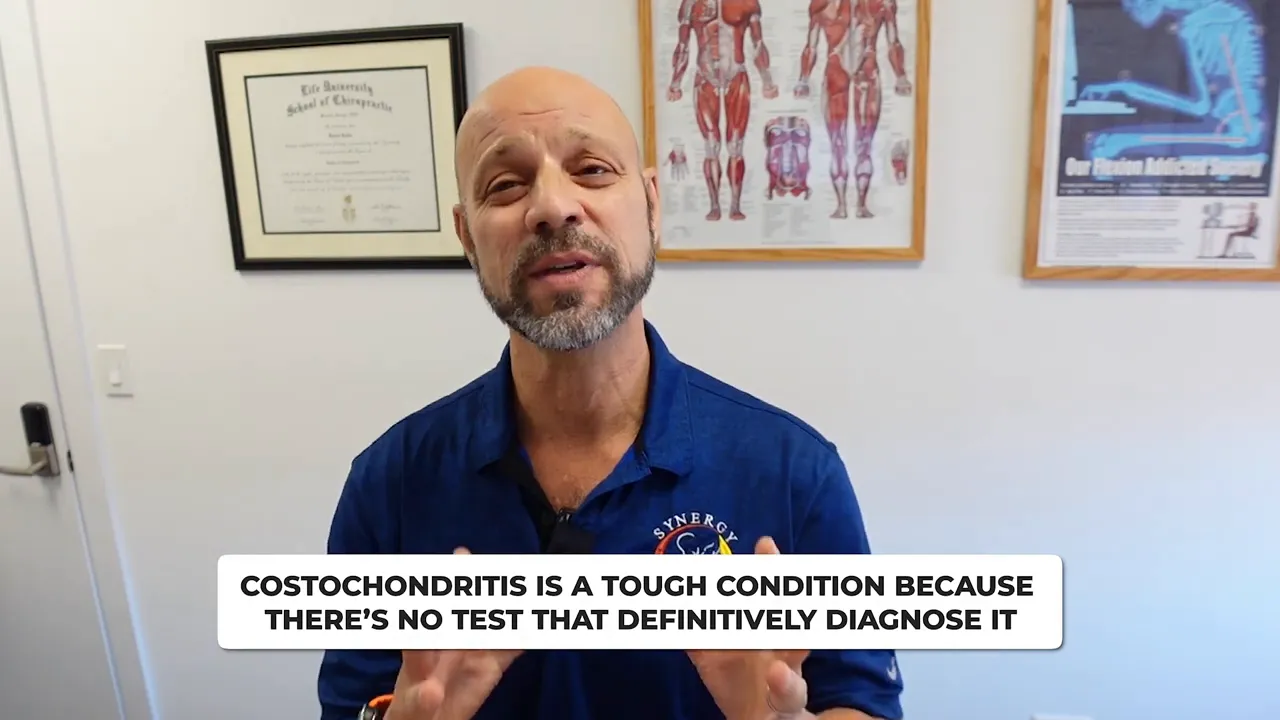
Table of Contents
- Why the causes are so varied
- How your thoracic spine matters
- What helps: a combined, targeted approach
- What you can expect during recovery
- When to get immediate medical attention
- Frequently asked questions
What causes Costochondritis or Tietze?
The chest wall is a busy place. Your ribs attach to the sternum up front and to the thoracic spine in the back. Because those structures are linked, a problem anywhere along that chain can irritate the costochondral cartilage and surrounding soft tissues. There is a distinction between Tietze and Costochondritis, albeit subtle. Tietze’s syndrome is characterized by increased inflammation of the chest wall. Consider costochondritis a milder form of Tietze; however, we do not discount the pain and discomfort of costochondritis.In practice, costochondritis and Tietze are associated with multiple etiologies. Examples commonly seen include:- Major surgeries near the chest, such as open-heart procedures
- Vascular procedures like thrombectomy after blood clots
- Breast surgery or changes in breast mechanics, including breast reduction, for large-breasted individuals
- Direct trauma to the rib cage, such as being struck in contact sports
- Accidental impacts like walking into a wall with the shoulder, or past shoulder injuries
- Repetitive or heavy lifting and exercises that stress the chest and shoulders, including dips and heavy bench work
- Scoliosis, hyperkyphosis
- Shoulder injuries
Why Your Thoracic Spine Matters
Although the inflammation is localized to the chest wall, the thoracic spine often plays a central role. Misalignments or restricted motion in the upper and mid back alter rib movement and load the costosternal joints. Altered mechanics can produce pain and perpetuate inflammation. You can now see here why even the slightest case of thoracic scoliosis, midback tension, a shoulder injury, or misalignment can create chest problems when chronic and gone untreated for years.
What helps: a combined, targeted approach
Chiropractic adjustments are valuable because they restore proper spine and rib mechanics. If you have costochondritis, manual care of the thoracic spine can reduce the abnormal stresses on the chest wall. However, manipulation alone is sometimes insufficient, particularly in cases of moderate to severe severity. Often overlooked are shoulder girdle injuries and clavicular problems, which are commonly associated with costochondritis.
A practical treatment plan that often brings the best results includes:
- Reducing inflammation and pain with modalities such as cold laser therapy to calm the tissues before rehabilitation begins
- Targeted rehabilitation to retrain movement patterns, strengthen supporting muscles, and prevent recurrence
- Manual therapy, including spinal and rib work, to restore joint motion and decrease abnormal loading
What you can expect during recovery
Recovery depends on the trigger and the duration of the condition. Acute cases from an identifiable injury or a short bout of overuse often respond more quickly than cases with chronic mechanical contributors.
You may feel better once inflammation is controlled and movement is restored, but a few things help speed recovery:
- Avoid repetitive movements or heavy loading that provoked your symptoms.
- Follow a guided rehab program focused on posture, thoracic mobility, and shoulder mechanics.
- Use professionally recommended modalities and manual care rather than trying aggressive self-manipulation
When to get immediate medical attention
Chest pain should always be taken seriously. If your pain is sudden, severe, radiates to the arm or jaw, is accompanied by shortness of breath, sweating, nausea, or fainting, seek emergency medical care right away. Those symptoms may indicate a cardiac event and must be excluded before considering musculoskeletal causes.
Practical tips before your first appointment
- Note what makes the pain worse or better and any recent events (surgery, trauma, changes in exercise).
- Keep activity modifications simple: avoid movements that reproduce sharp pain while maintaining gentle mobility.
- Expect a combined plan that treats inflammation, restores motion, and builds strength to prevent recurrence. However, the order in which this is done is key to a proper recovery.
Frequently asked questions
What typically causes costochondritis?
Costochondritis can follow trauma, surgery, repetitive strain, or mechanical problems in the thoracic spine and rib joints. It often arises when altered spine or rib mechanics overload the costosternal cartilage.
How is costochondritis diagnosed?
Diagnosis is clinical. A practitioner will rule out cardiac and pulmonary causes, assess the chest wall for localized tenderness, and evaluate the thoracic spine and rib motion to identify mechanical factors contributing to the condition.
Can chiropractic care help costochondritis?
Yes. Chiropractic adjustments that restore thoracic spine and rib motion often reduce the mechanical stress on the costal cartilage. For moderate or severe pain, this is best combined with targeted rehab and inflammation-reducing therapies. Chiropractic physicians are the only health professionals qualified to restore thoracic and rib mobility, relieve musculoskeletal tension, and assess for other causes.
What is cold laser therapy, and does it work for Costochondritis?
Cold laser therapy is a noninvasive modality that can reduce pain and inflammation in soft tissues. When used to calm tissues before rehabilitation, it may help speed recovery and make movement-based treatments more tolerable. Especially in severe cases.
How long does recovery take?
Recovery varies. Mild cases can improve in days to weeks with rest and appropriate care. More chronic or mechanically complex cases can take several weeks to months and benefit from a structured rehabilitation program.
Costochondritis Exercises & Stretches
When chest pain may be reflux
Not all chest pain is musculoskeletal. Acid reflux or esophageal spasm can cause chest discomfort that mimics costochondritis, particularly when symptoms are triggered by meals, position changes, or a burning sensation. If your pain is accompanied by heartburn, regurgitation, or worsens when lying down, mention reflux to your clinician so cardiac and esophageal causes can be considered.
Some individuals exploring non‑pharmaceutical options use external devices, such as the Reflux Shield, to manage reflux symptoms. If you are considering this or similar products, read the product information carefully and consult your healthcare provider first—especially if you have had prior stomach surgery for a hiatal hernia or abdominal aortic aneurysm.
Always prioritize ruling out cardiac causes for new or severe chest pain and follow professional medical advice for diagnosis and treatment.
Synergy Wellness Chiropractic & Physical Therapy specializes in the treatment of Costochondritis and GERD, Acid reflux caused by a hiatal hernia. Dr. Kulla also holds a patent on the reflux shield, which has helped thousands of people worldwide, with over 25 years of experience. Call us at 212-533-4900 or schedule an examination with the BOOK tab above.